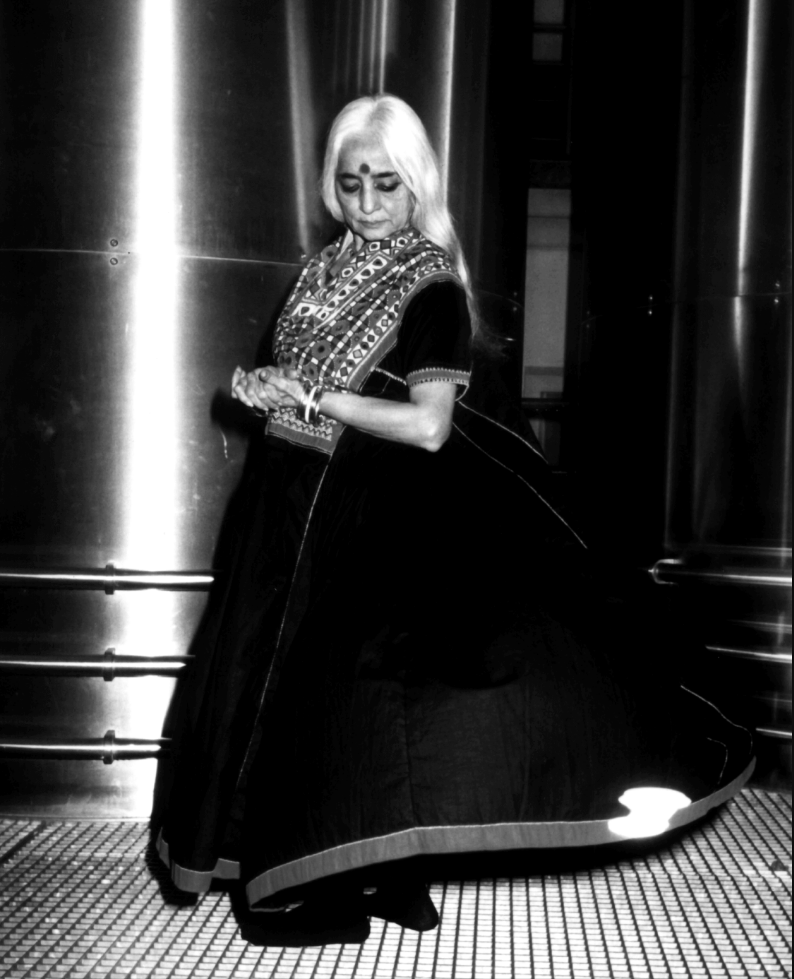
Chandralekha, an inspiring presence in the lives of many, sped away on the wheels of time on December 30, 2006.
There was an avalanche of phone calls. For many, it was a personal loss. In the early days of January 2007, while thinking of an apt way to remember her, some of us friends of Chandra thought of creating a voice tribute, eliminating the conventional image.
The attempt was, in one sense, to invoke her presence through her absence - something she herself had experimented with when she conceptualised The World is My Family exhibition for the Gandhi Centenary in 1969/70, without using any photograph of Gandhiji.
We got on the phone with friends, collaborators and choreographers from India and abroad, requesting them for a three-to-four minute remembrance on the phone. These were recorded through a computer device and fed into MP-3 players which were, in turn, harnessed to mini-speakers. The only earlier voice clip used was from an excerpt of Rukmini Devi Arundale's comments after Chandra presented her work for her at Kalakshetra, in 1984.
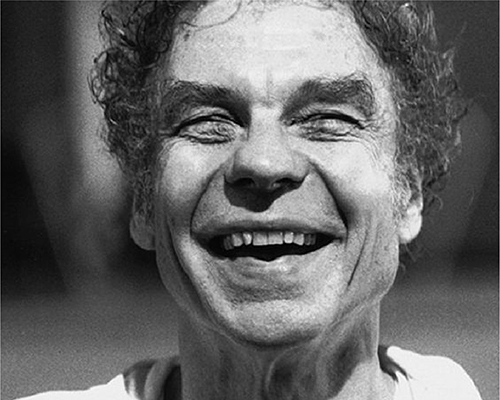
Merce Cunningham, at ninety, was frail and not able to speak. New York-based dancer Uttara Asha Coorlawala very generously went and met him and, through his personal assistant, received the message from him. Pina Bausch was travelling in Colombia and the phone lines were hopelessly bad. Very sweetly, she sent back a hand-written note. Susanne Linke was so unhappy with her reading interrupted by tears that she posted the written text.
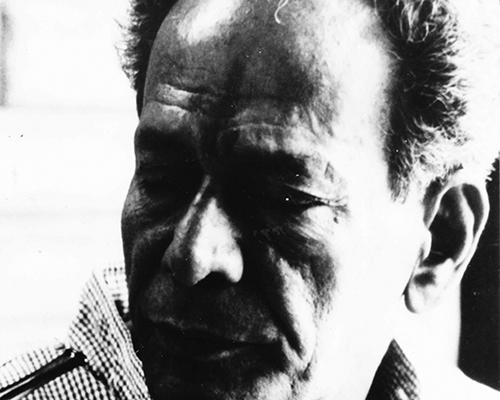
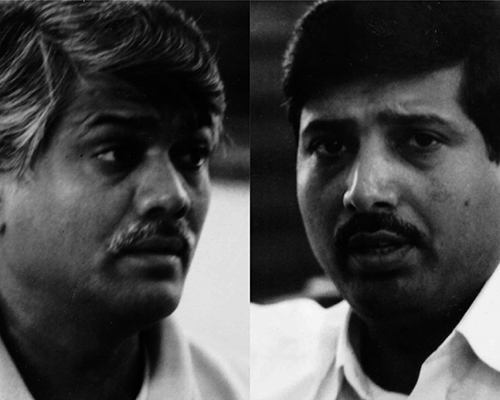
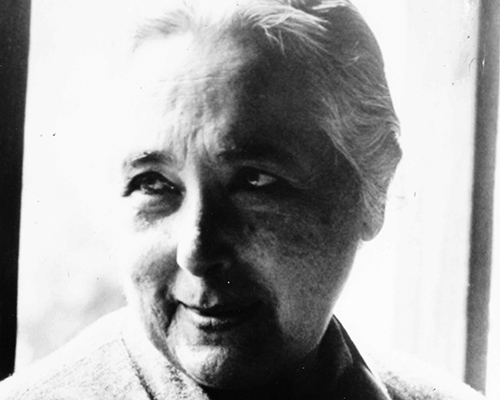
Eventually, there were eighteen voice-clips. Using bamboo rigs, audio-ports were created with photographs of the respective speakers, placed at a distance of a few metres from each other. The messages were in a loop and on low volume.
After absorbing these voice tributes, the design was to lead the assembled friends to a more intimate spot within the venue to listen to a 35 mins excerpt of clips in Chandra's own voice, concerning her ideas on dance and life.
Between January 15 and February 15, 2007, these memorials were held at three spaces.
The first was at Chandra's own campus at Elliot’s Beach, Chennai, using her beloved neem trees as portal locations and the inner space of her 'Mandala' theatre for playing back her own voice. Second, was at the Sanskriti Kendra's Anandgram, in Delhi, using their open-air amphitheatre. And, finally, at the 'Chauraha' space at the National Centre for the Performing Arts (NCPA), Mumbai, using the Little Theatre as the inner space.
A large number of friends and admirers of Chandra assembled at these venues, making it a special event. We were following upon Chandra's own idea of rescuing sorrow from the clutches of sentimentalism and transforming it into poetry or creative energy. Chandra often quoted the Sanskrit phrase - "shokaat shloka" - or "from sorrow, poetry".
In the 14 years since the event, some of the luminaries whose voices are featured here, have also become part of the Great Time. This archive, then, is equally a tribute to all of them.
Sadanand Menon
CONNECT WITH US ON sadanandmenon@yahoo.com
There are many acknowledgements due for this project.
Dashrath Patel oversaw the exhibition design at all venues.
The voice recordings and the transmission technology was worked out by A. Kamal, Technical Director, Asian College of Journalism, Chennai. Sashi Kumar, Chairman, Media Development Foundation, Chennai, was a pillar of support. Deborah Thiagarajan and the Dakshinachitra Foundation, Sita Murari and Anita and Ashok Gupta helped in the arrangements.
O. P Jain of the Sanskriti Foundation, Delhi, opened his doors and his generous hospitality for us. Trustee Varun Jain took care of the details. Arti and Ajay Jaiman provided accessories with help from Chitra Padmanabhan and M.K. Venu.
Vijaya Mehta of NCPA, Mumbai, was particular we hold the event at that venue, considering Chandra's long association with it – most of her productions having been premiered at NCPA's Tata Theatre. The 'Chauraha' coordinator, Arundhati Subramaniam, was crucial in the planning and execution of the event. Kamala Ganesh, Sunil Kothari and S. Ananthanarayan provided crucial support.
Chandra's voice clips are from four primary sources:
All photographs [except of Bausch, Cunningham & Jones] are by Sadanand Menon
© , ALL RIGHTS RESERVED, SPACES CHENNAI WEBSITE BY MITI DESAI / MITIDESIGNLAB